
Breaking News
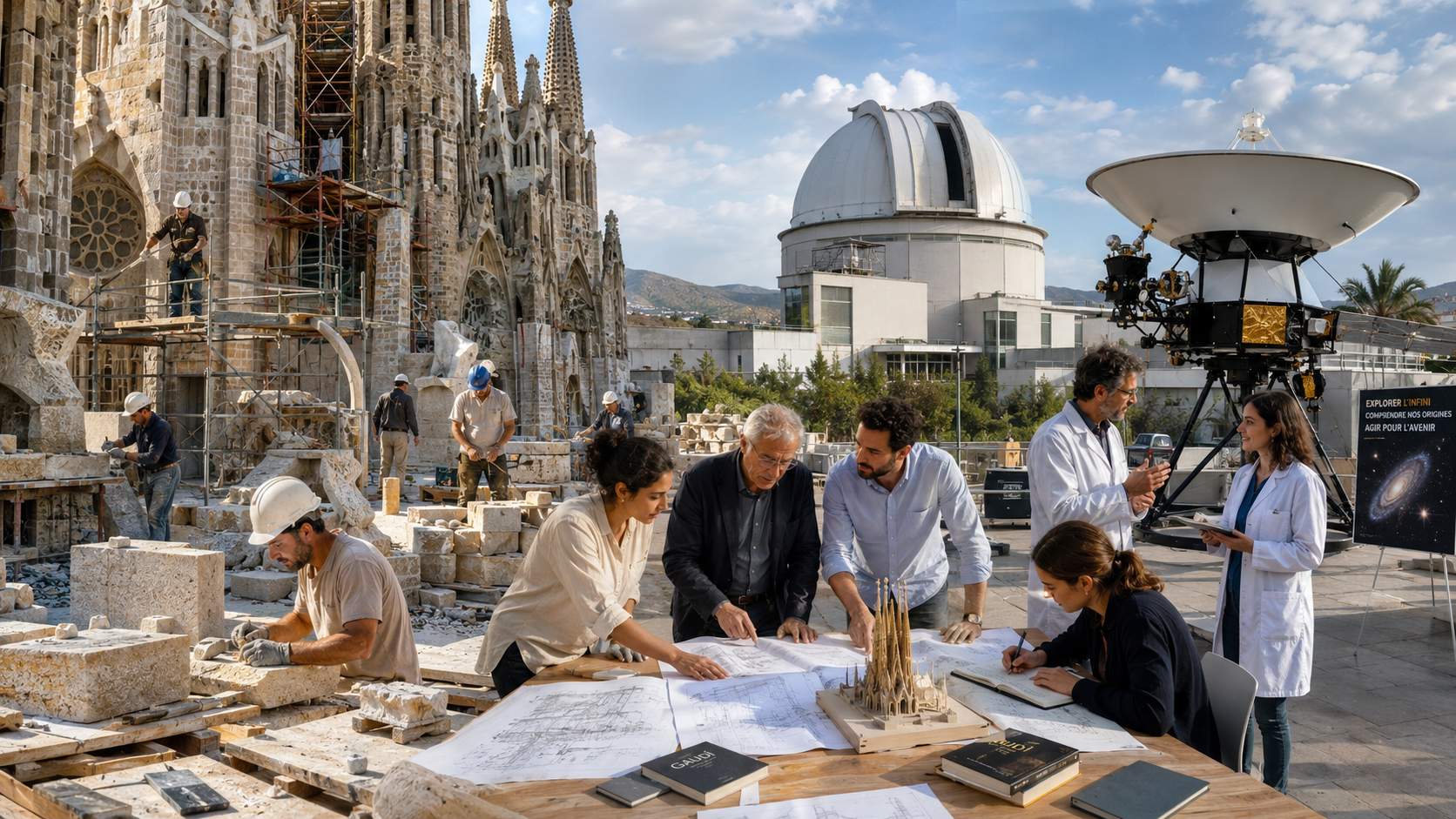
- Building long: from Gaudí to Voyager, the political lesso…
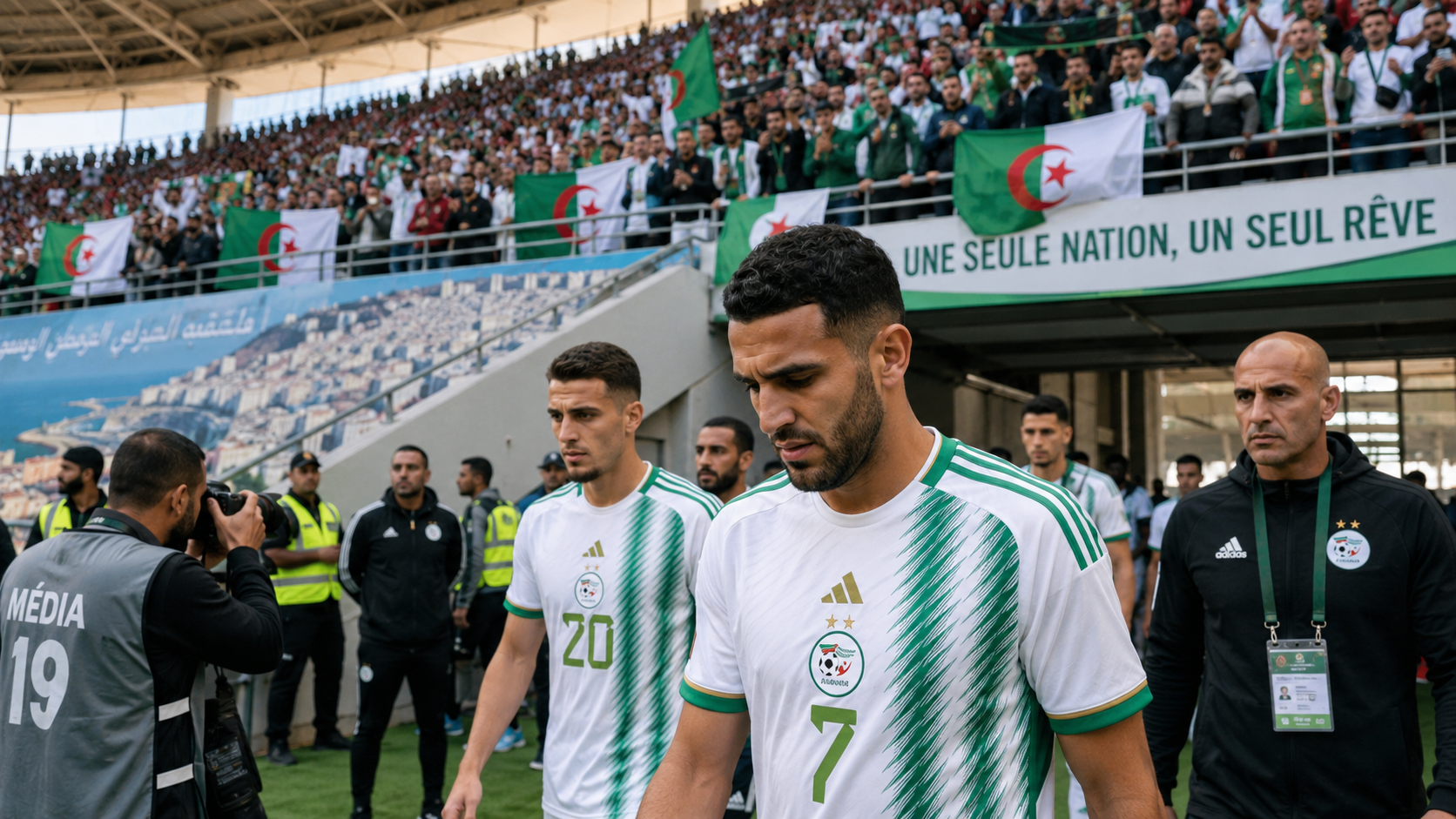
- World Cup 2026: Algeria’s team under pressure, the countr…
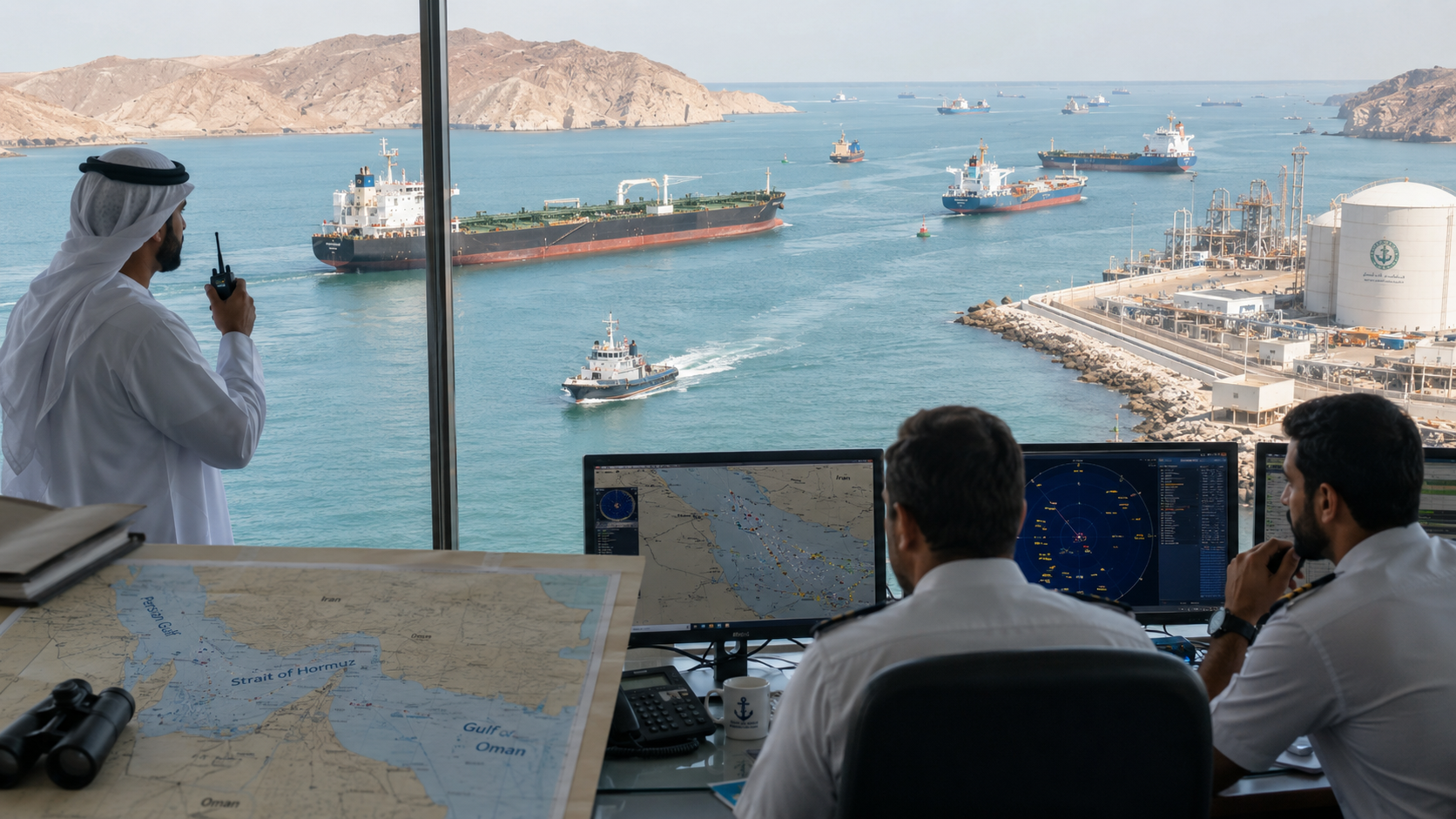
- Iran, Hormuz, Israel: the brutal return of geography
- Tunisia, Mali, DRC: when the state puts law under surveil…
- Sahel: proclaimed sovereignty is not enough to build regi…
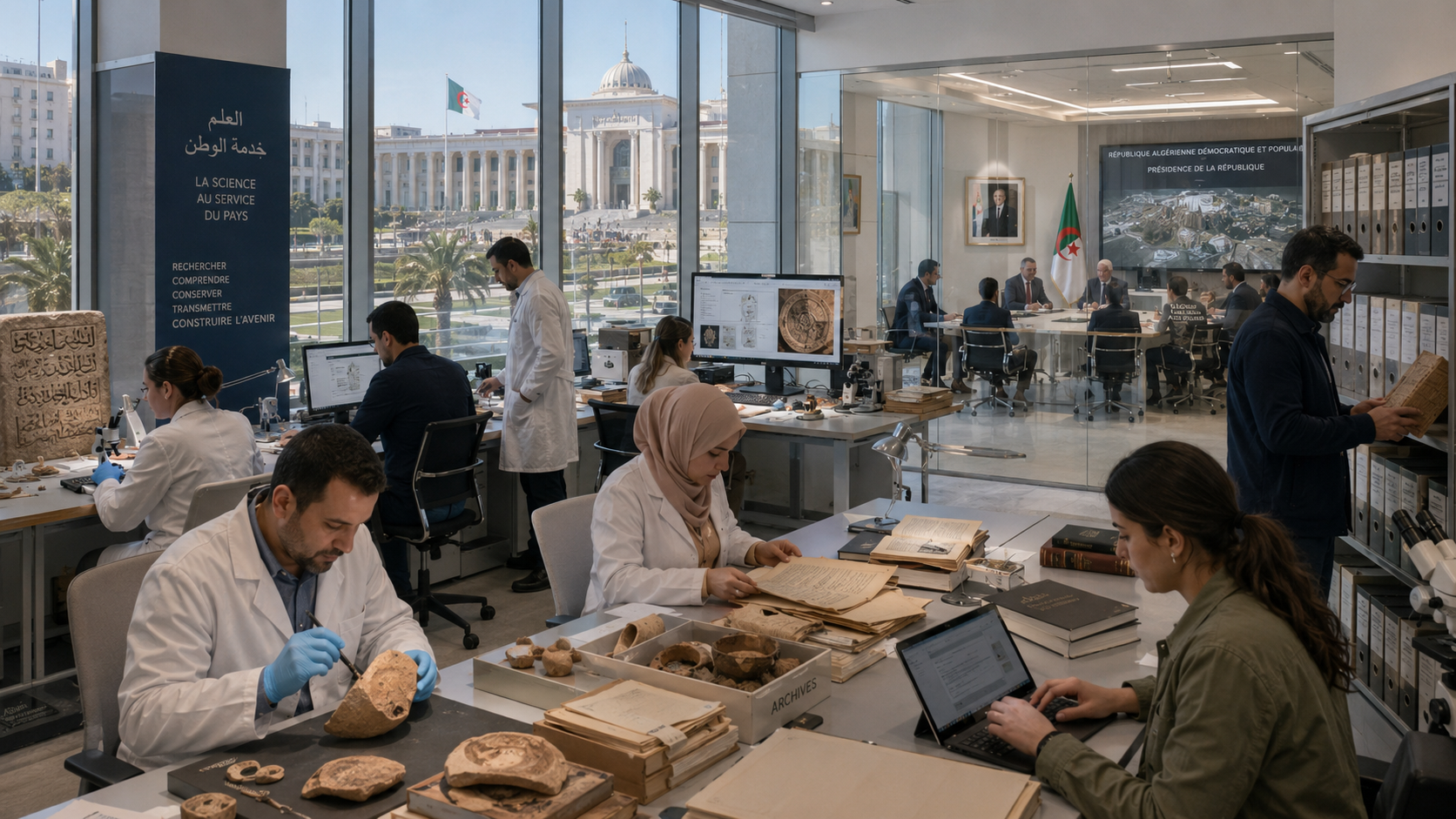
- Science, archaeology and the Presidency: centralization a…



Headlines: Geopolitics & Analysis
Critical Social Economy

Algerian Politics
Editor's Pick
Society & Debates

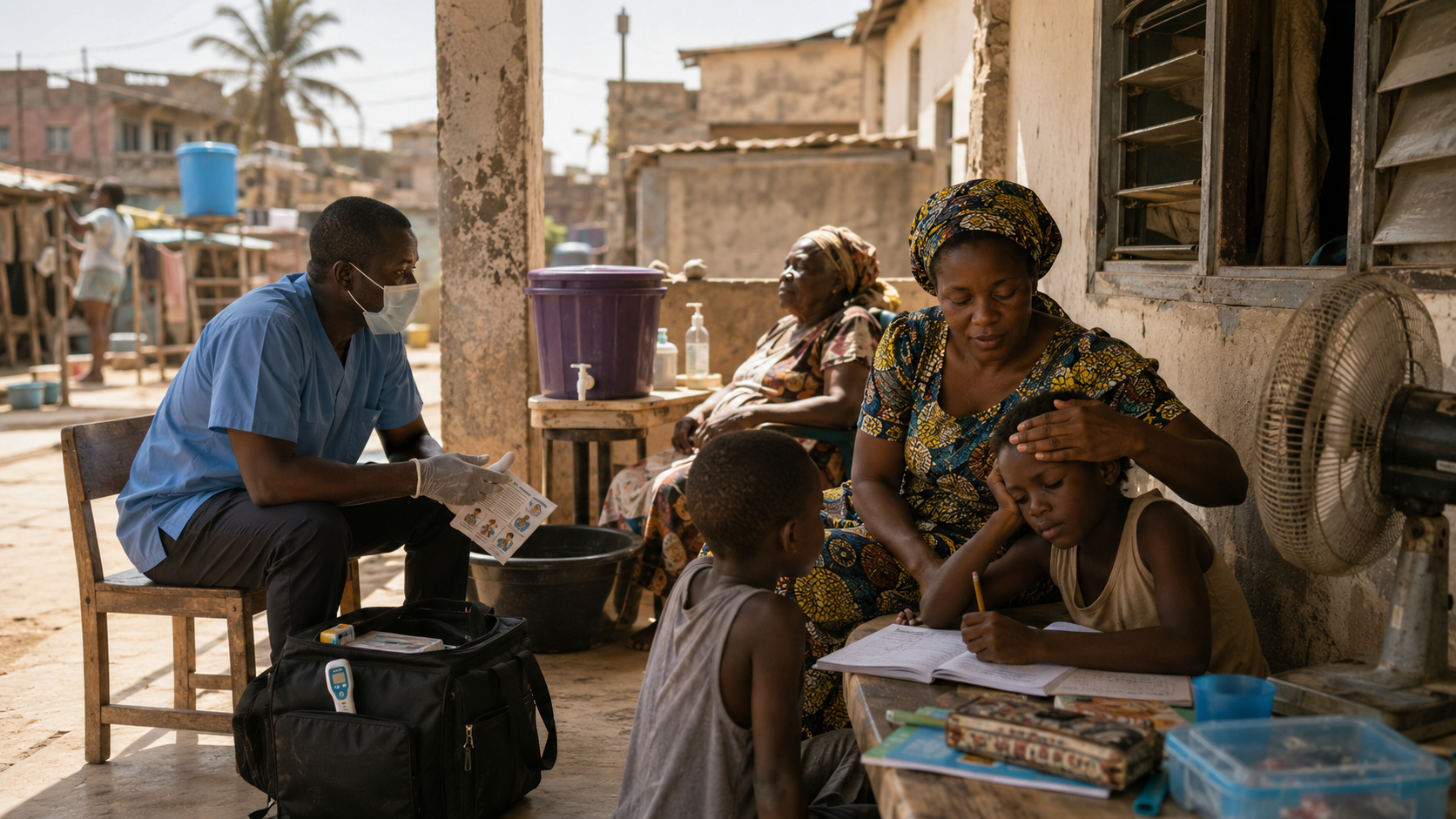

Culture and memory
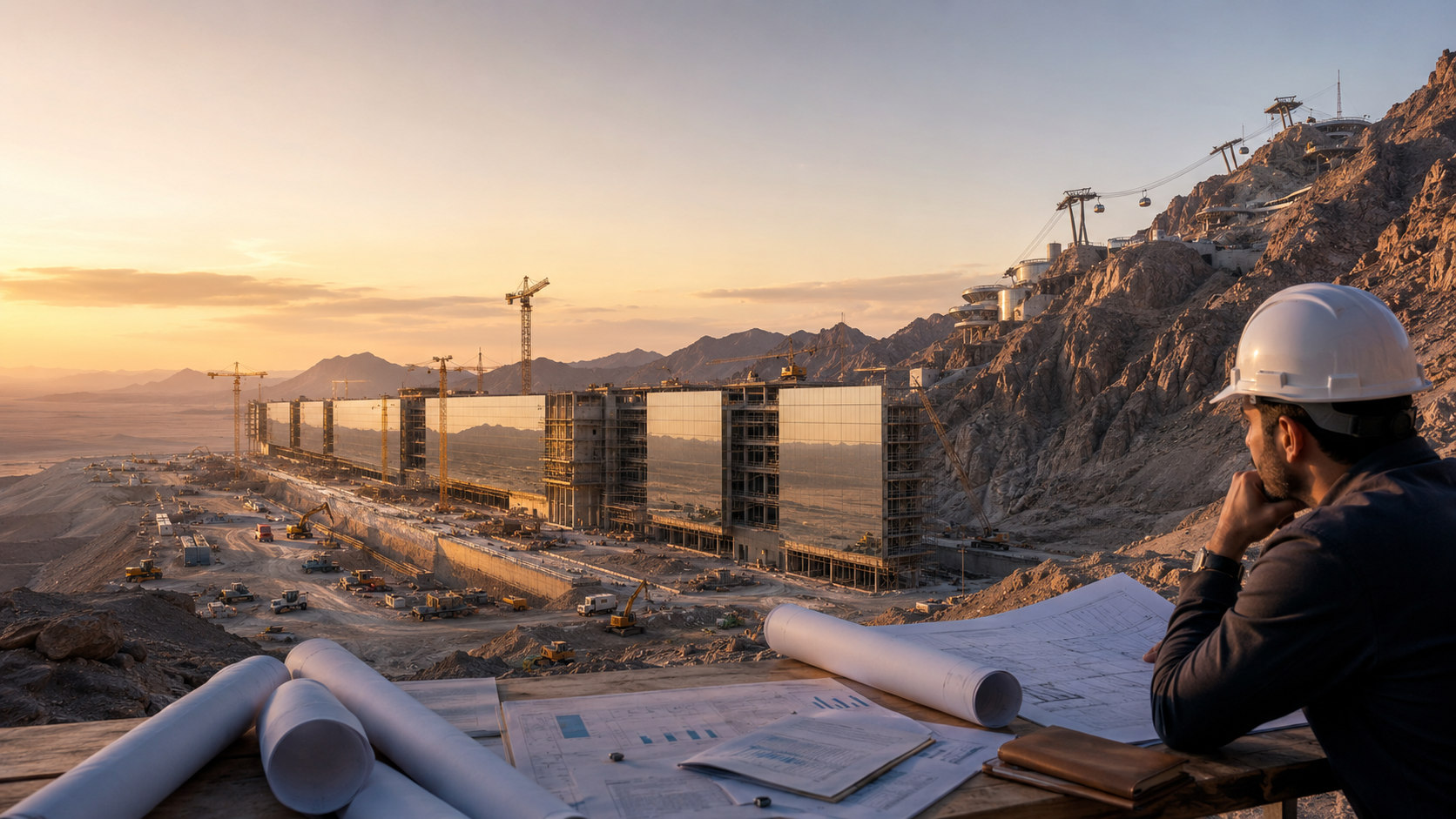
Building long: from Gaudí to Voyager, the political lesson of time
The Sagrada Familia and Voyager seem to belong to two worlds: a stone basilica in Barcelona, a probe launched into space in 1977. Yet they tell the same thing: strong societies know how to build beyond themselves. They entrust time with a work that will survive men, governments and fashions.
Rights and justice
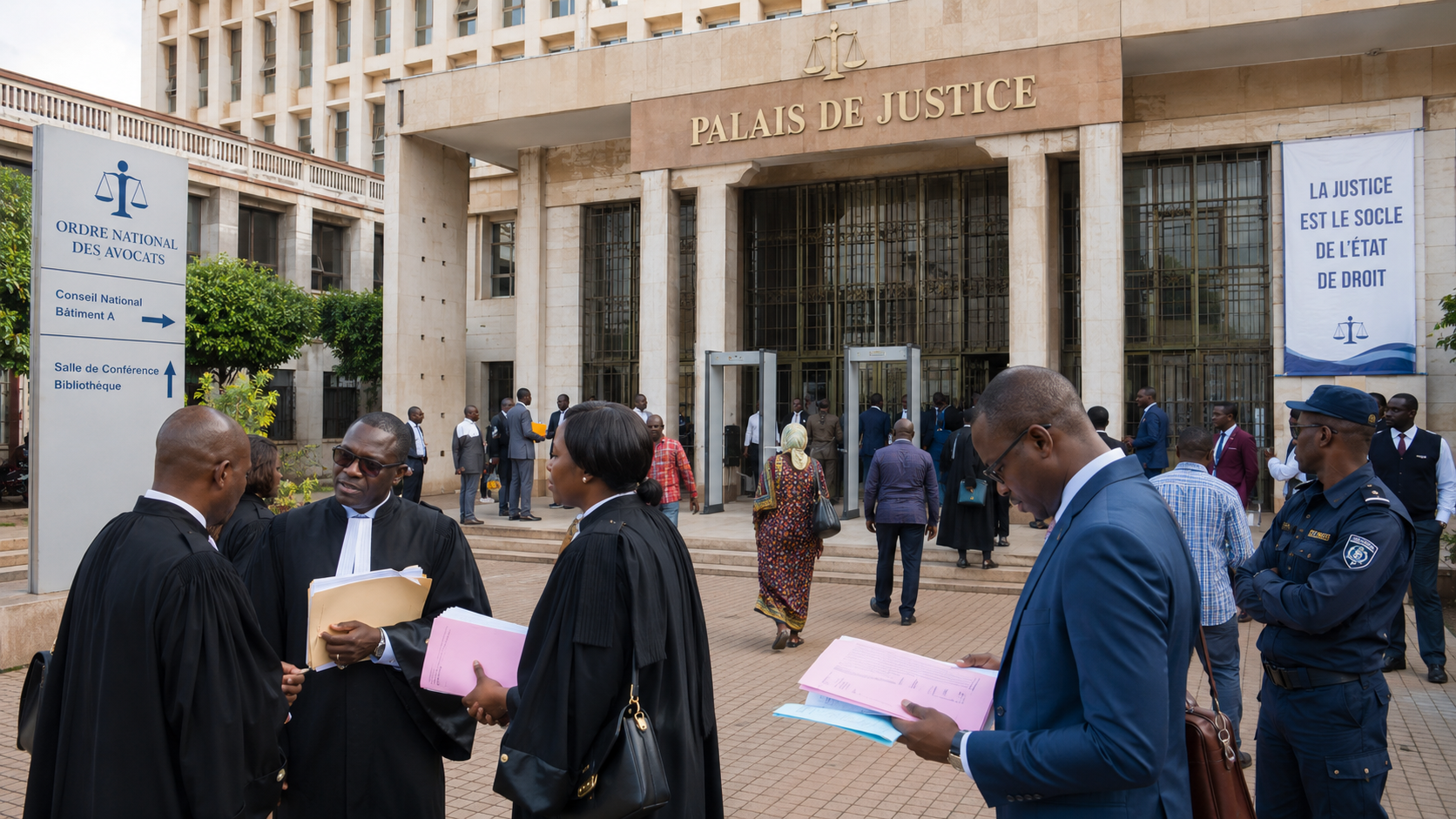
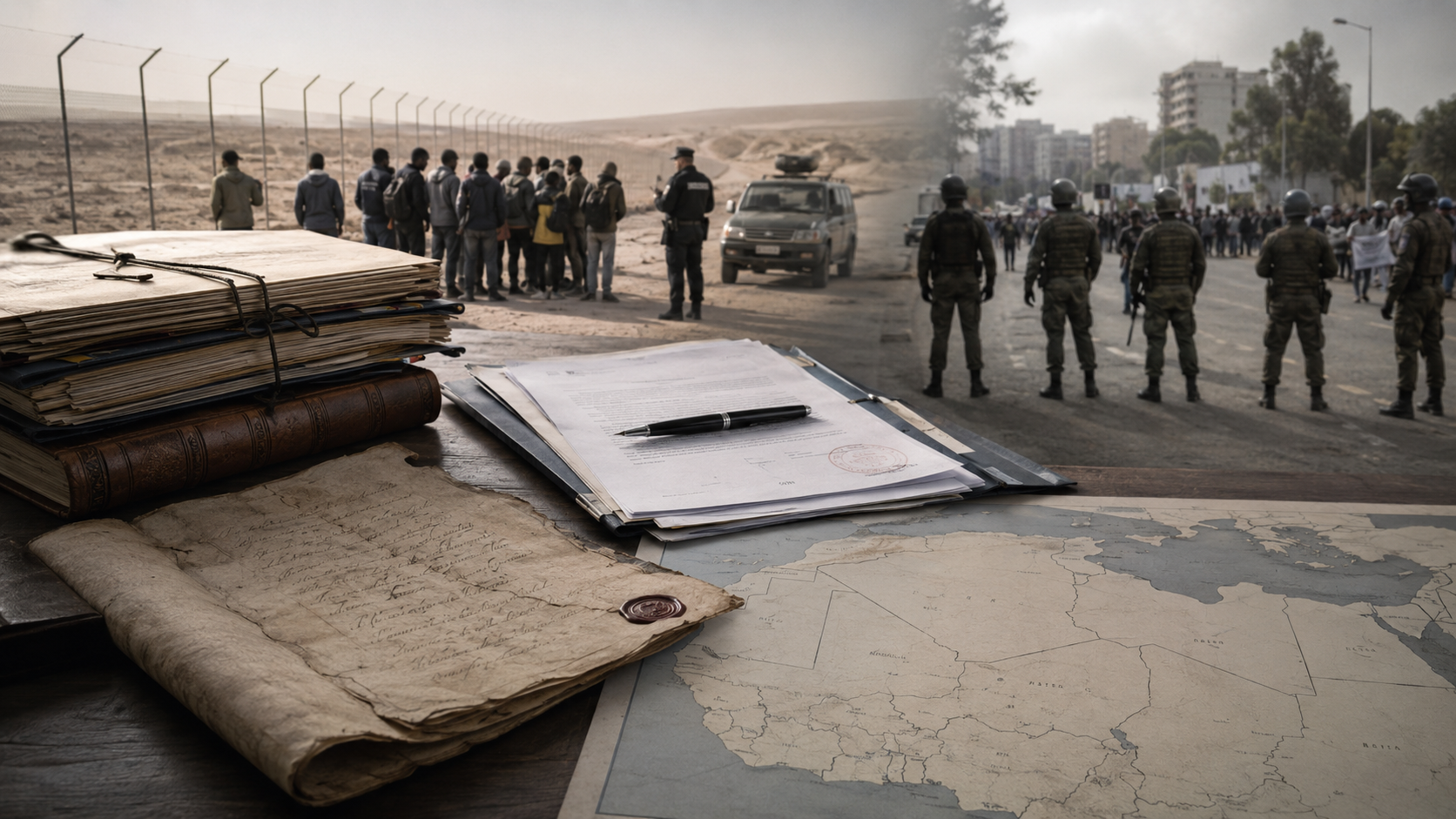
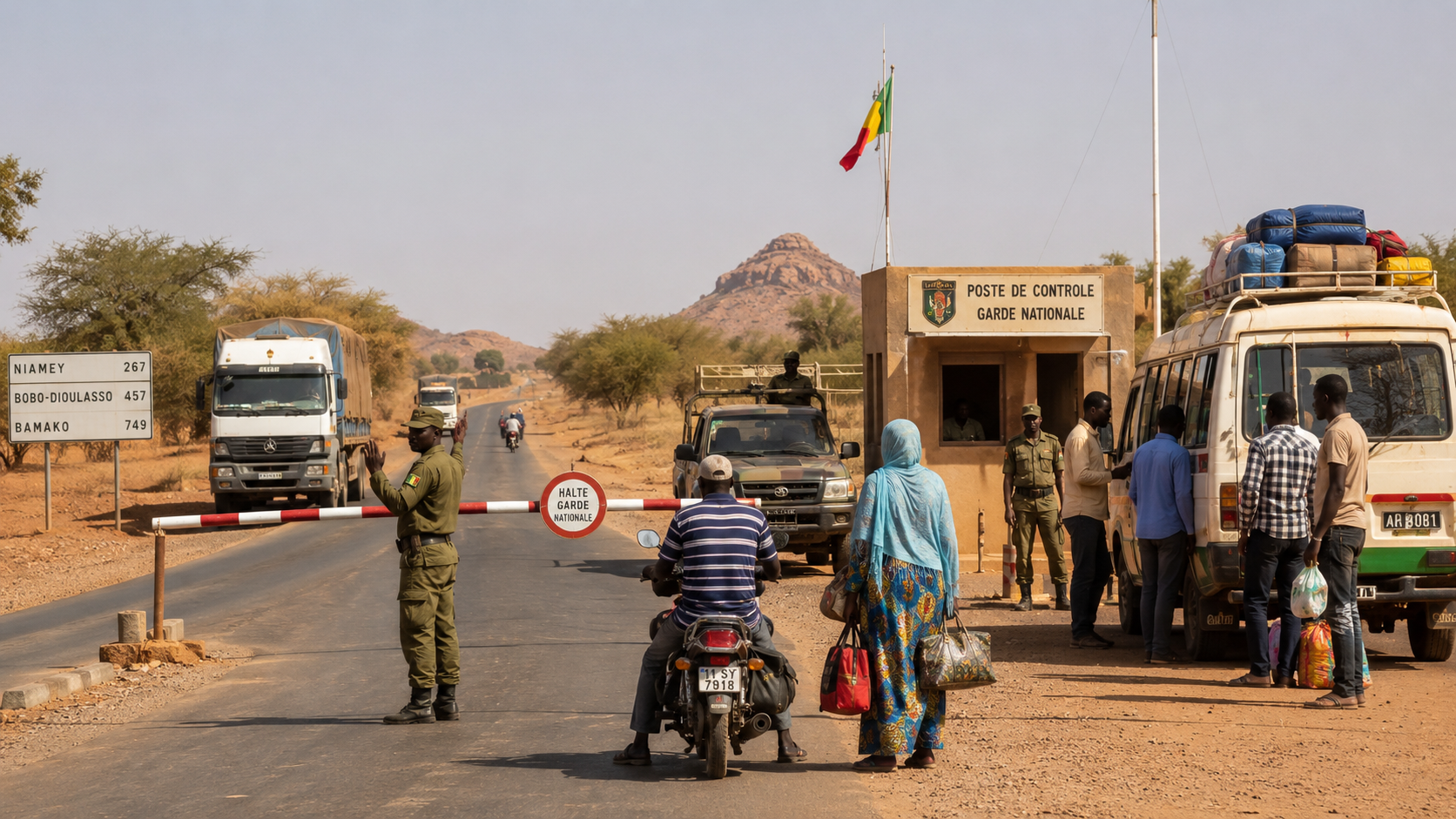
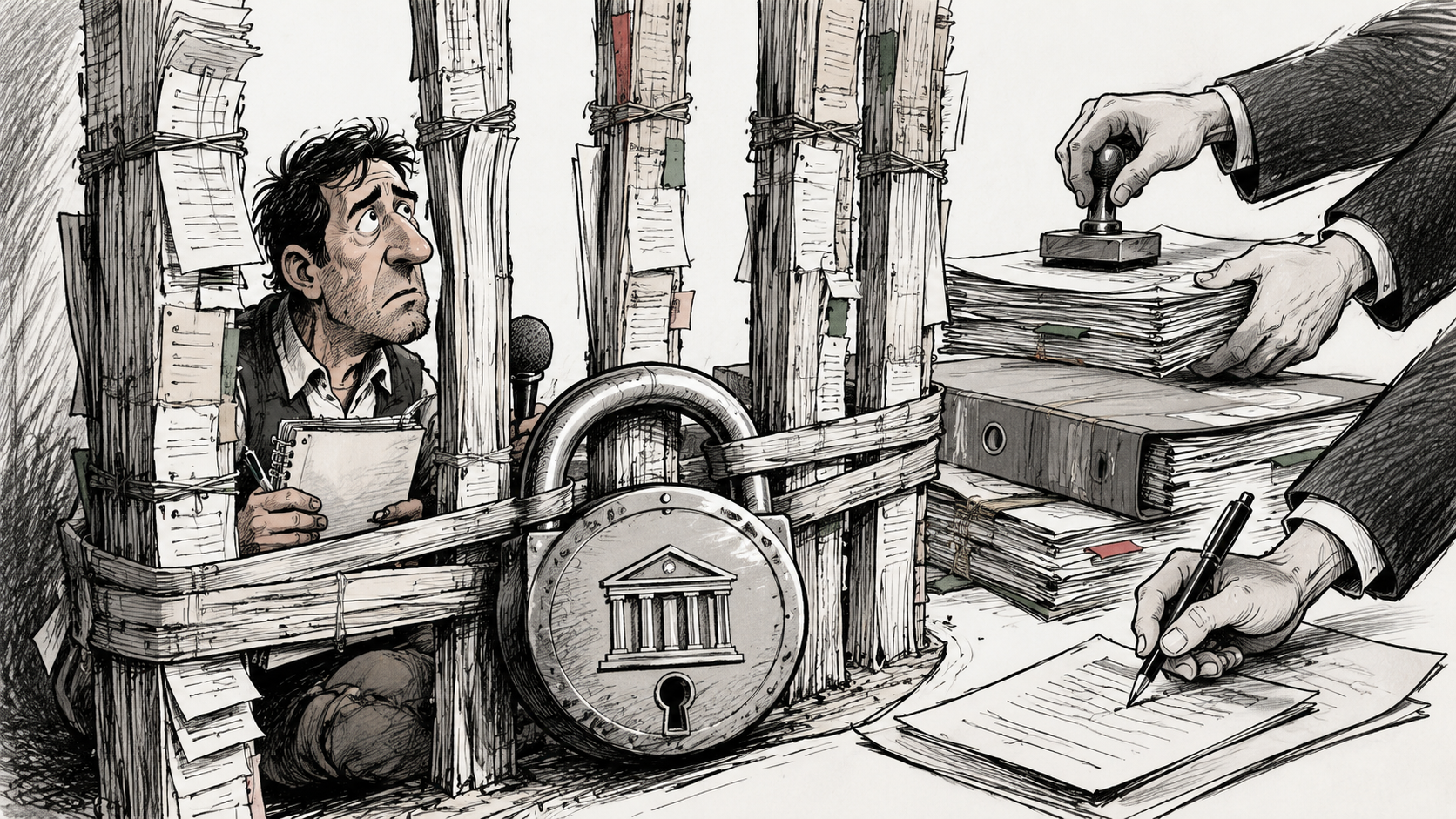
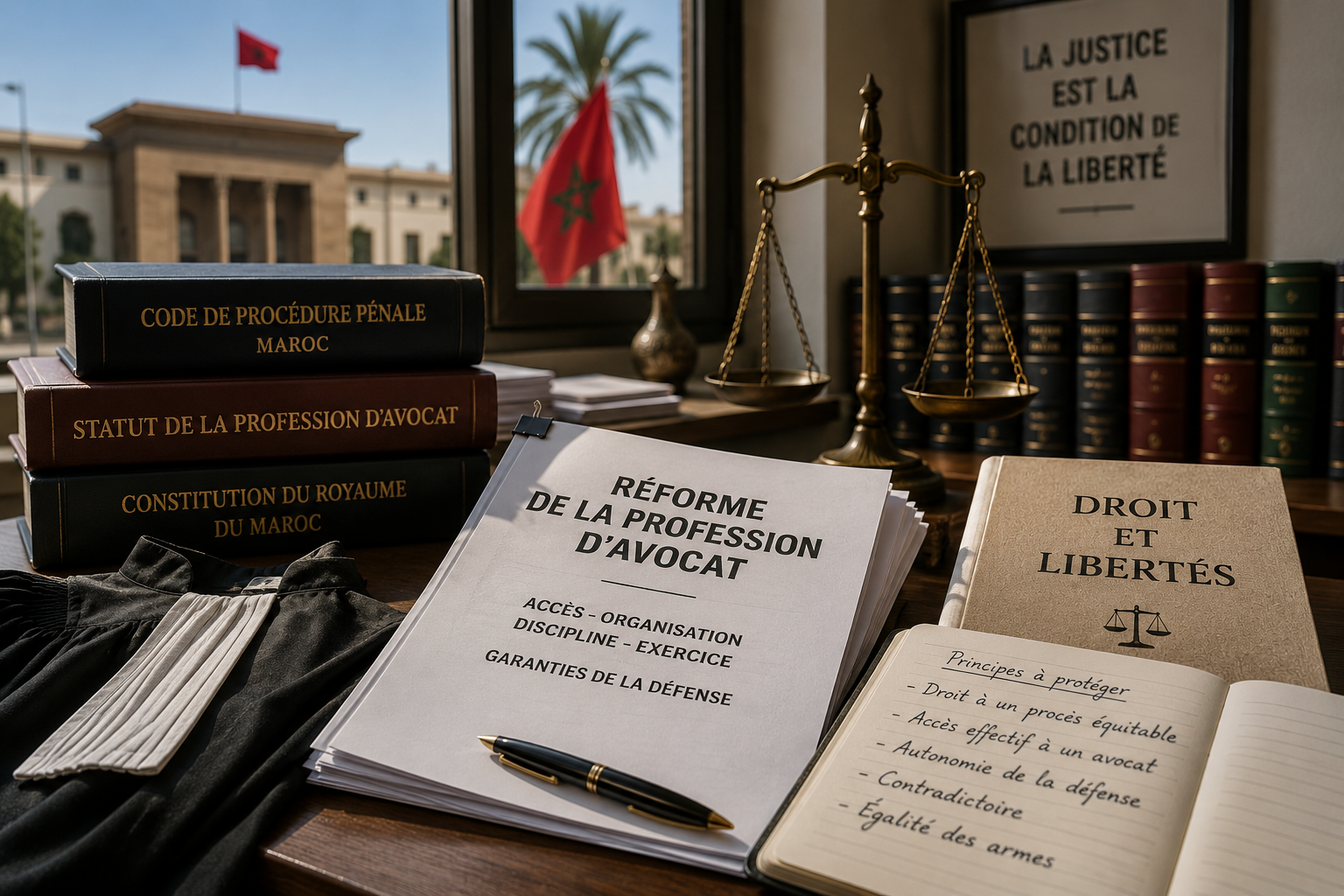
Tunisia, Mali, DRC: when the state puts law under surveillance
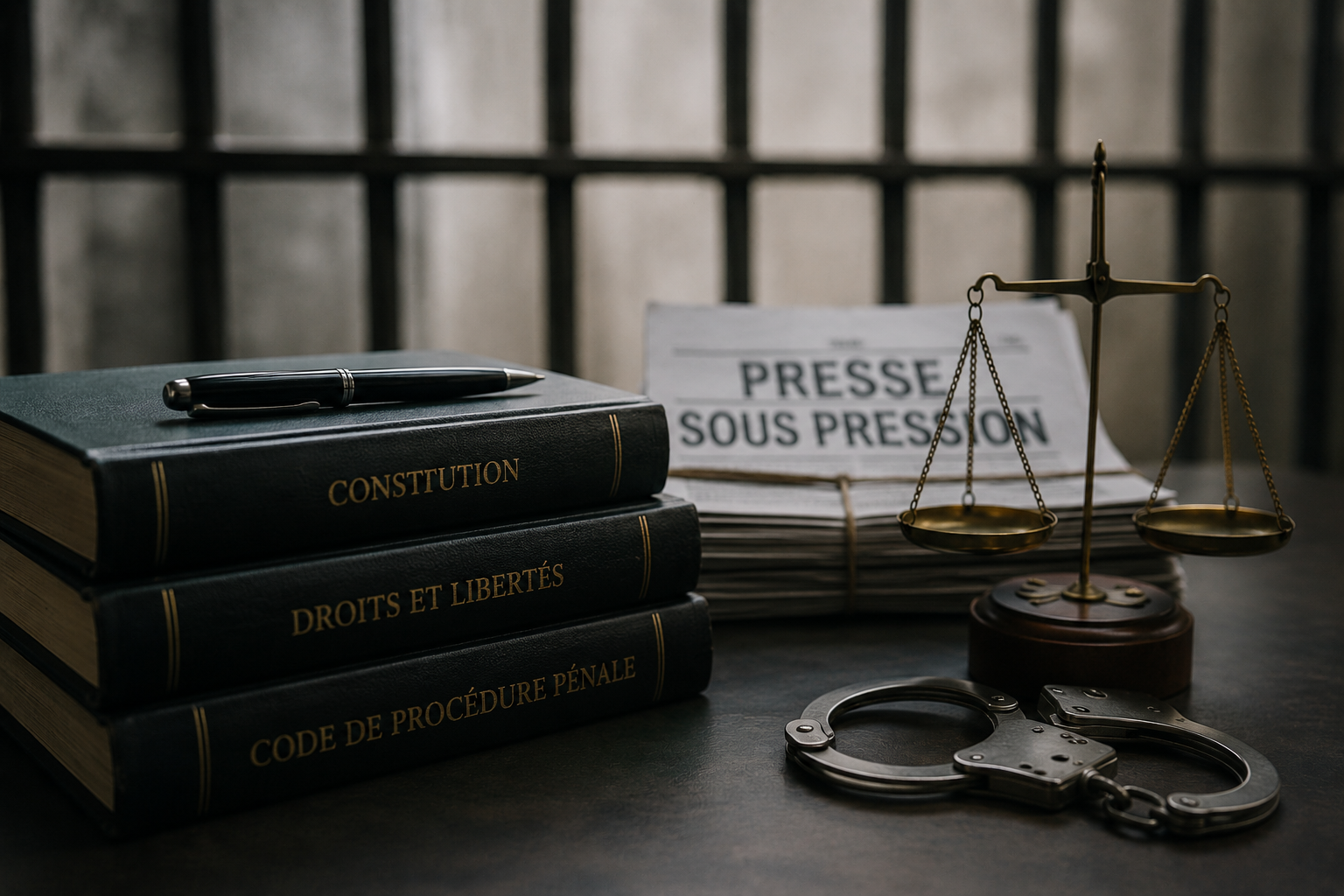
Lawyers’ strike in Tunisia, financial sanctions in Mali, constitutional debate in the Democratic Republic of Congo: the same question crosses several African scenes. Does law still protect society, or is it becoming the polished language of political domination?
Latest
Popular

Categories
Top Stories


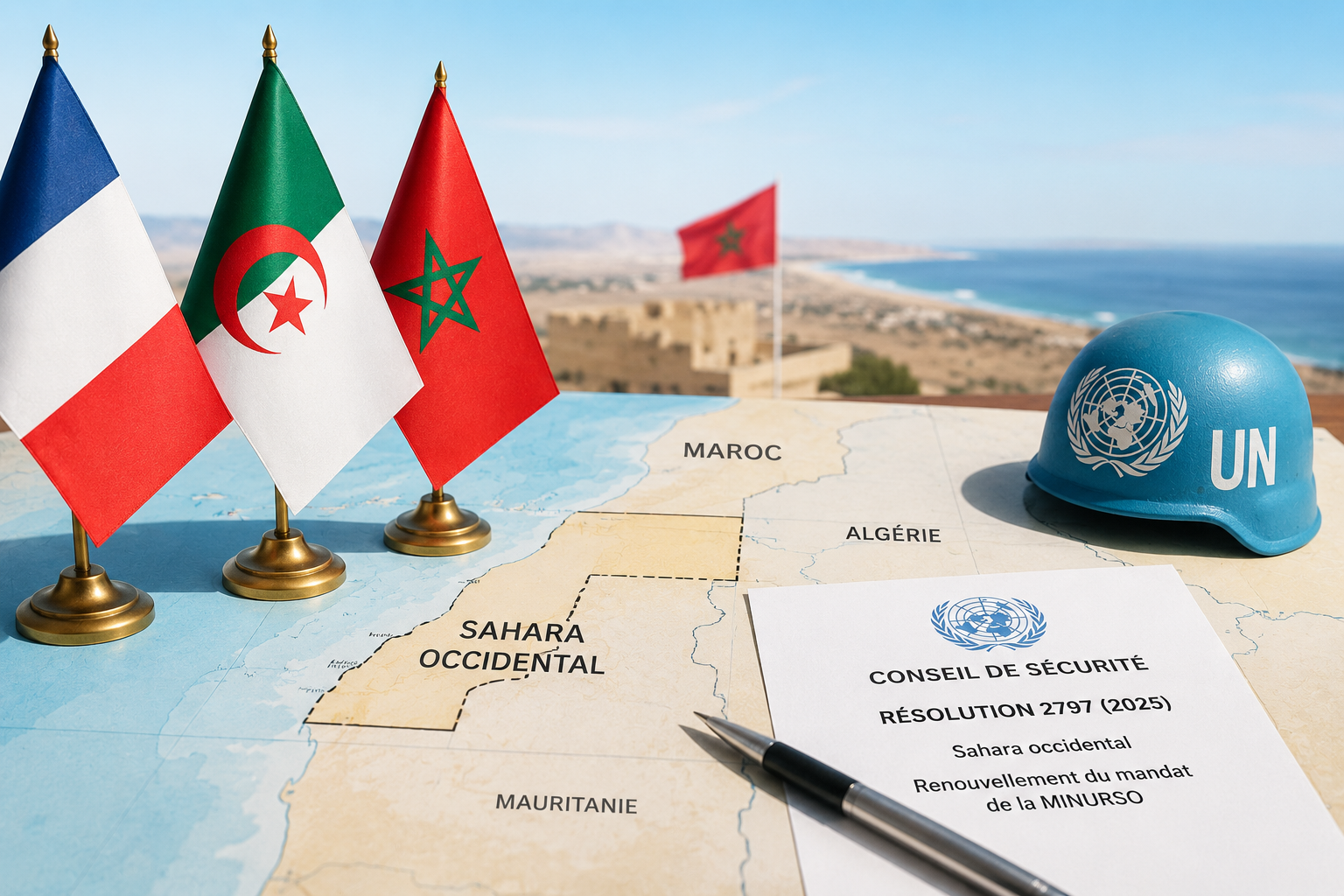
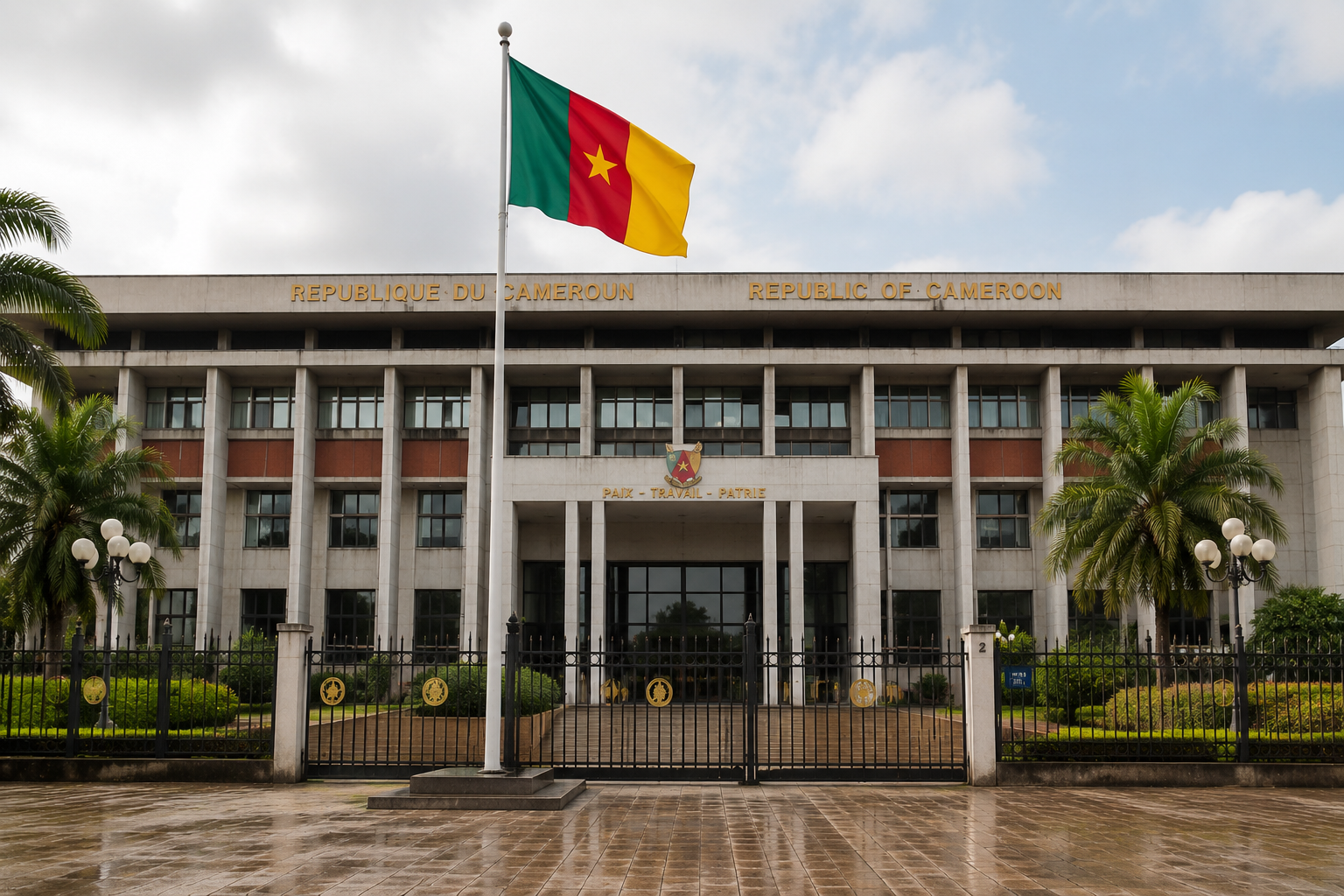
The thaw announced between Paris and Algiers does not remove the Saharan knot. By treating the Moroccan autonomy plan as the central horizon of a settlement, France has not merely changed diplomatic vocabulary: it has chosen a line in a conflict where law, colonial memory and regional interests remain inseparable.

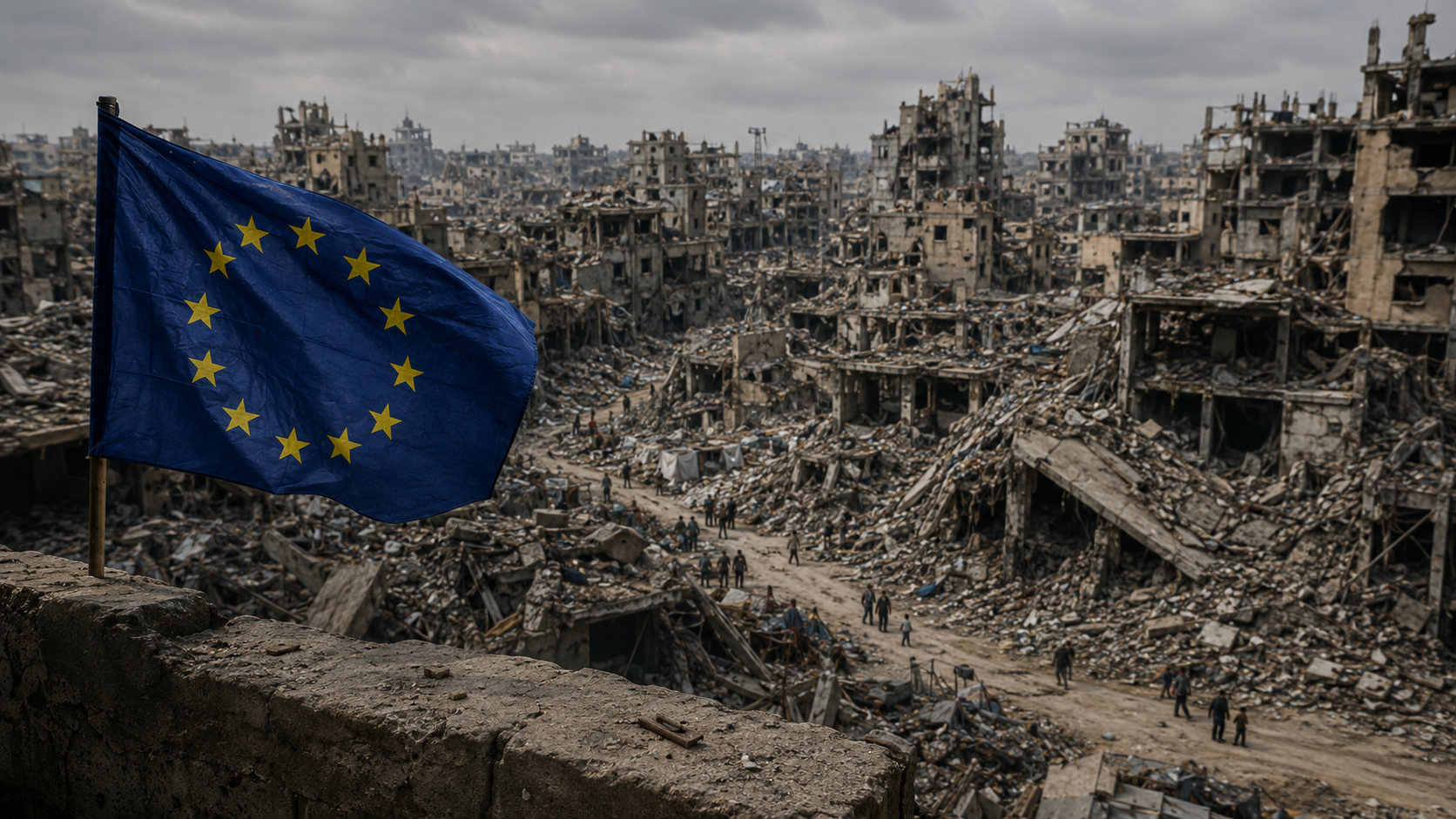
In Gaza, every strike is followed by a second battle: the battle over words. Who was targeted, who was killed, who counted the dead, and which legal category applies to the event are no longer technical details. They are part of the war itself.
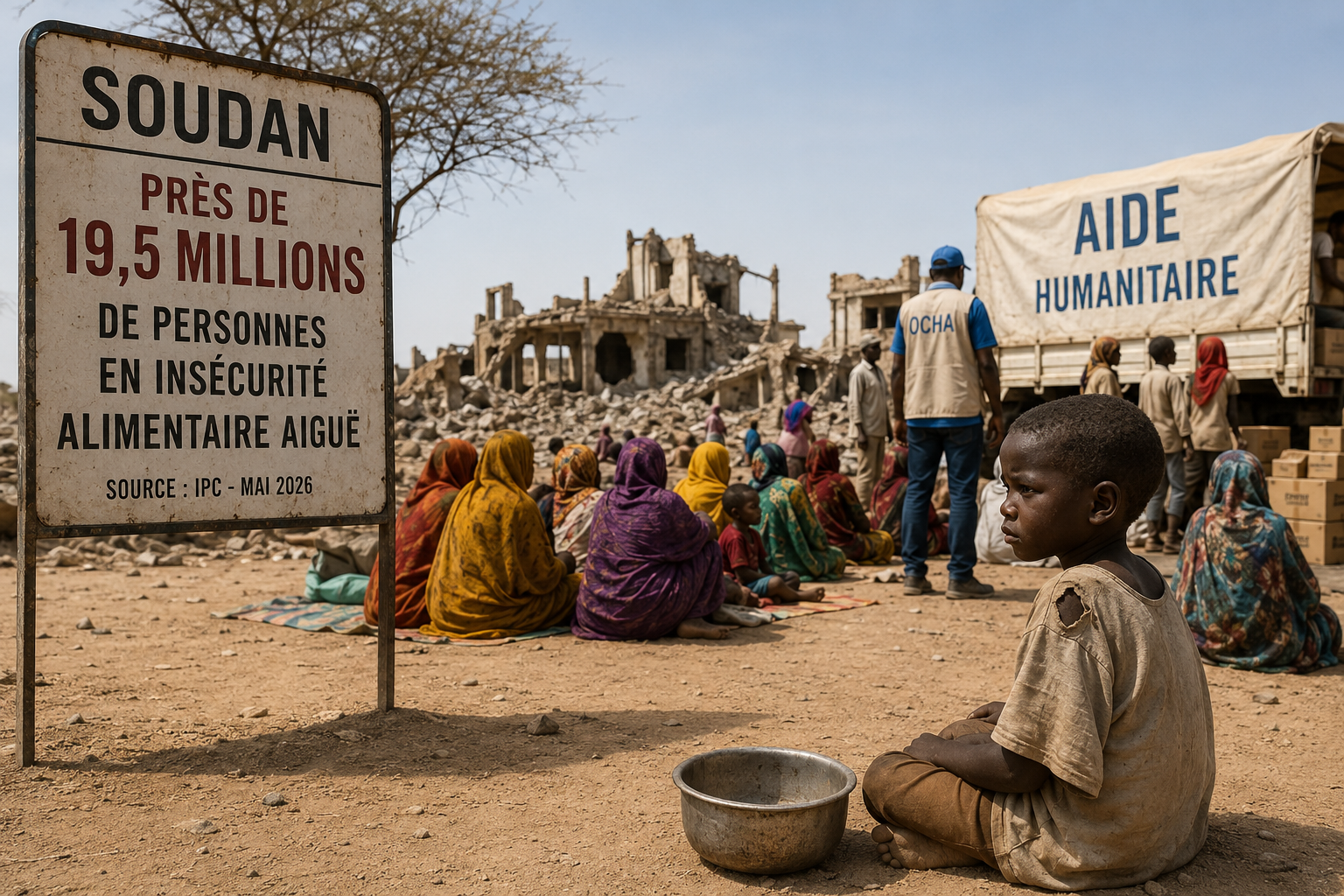
Sudan’s hunger is not an accident on the margins of the war. It is one of its central mechanisms. When routes close, markets collapse, harvests fail and aid is blocked, famine ceases to be a natural disaster: it becomes the social face of political collapse.
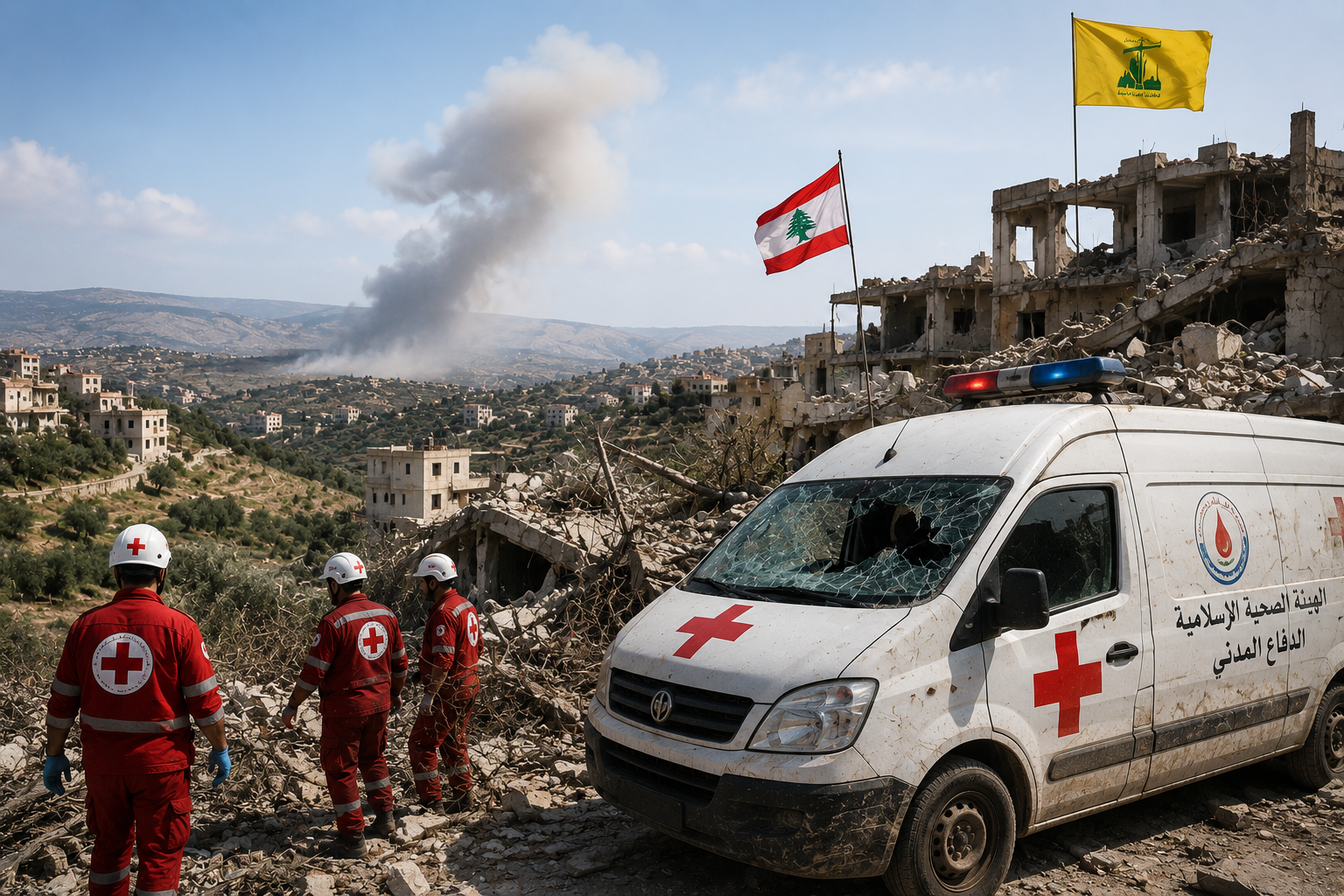
The language of truce is meant to suspend violence. In South Lebanon, it often describes a thinner reality: a framework of de-escalation in which strikes, warnings, drones and local deaths continue to organize daily life.
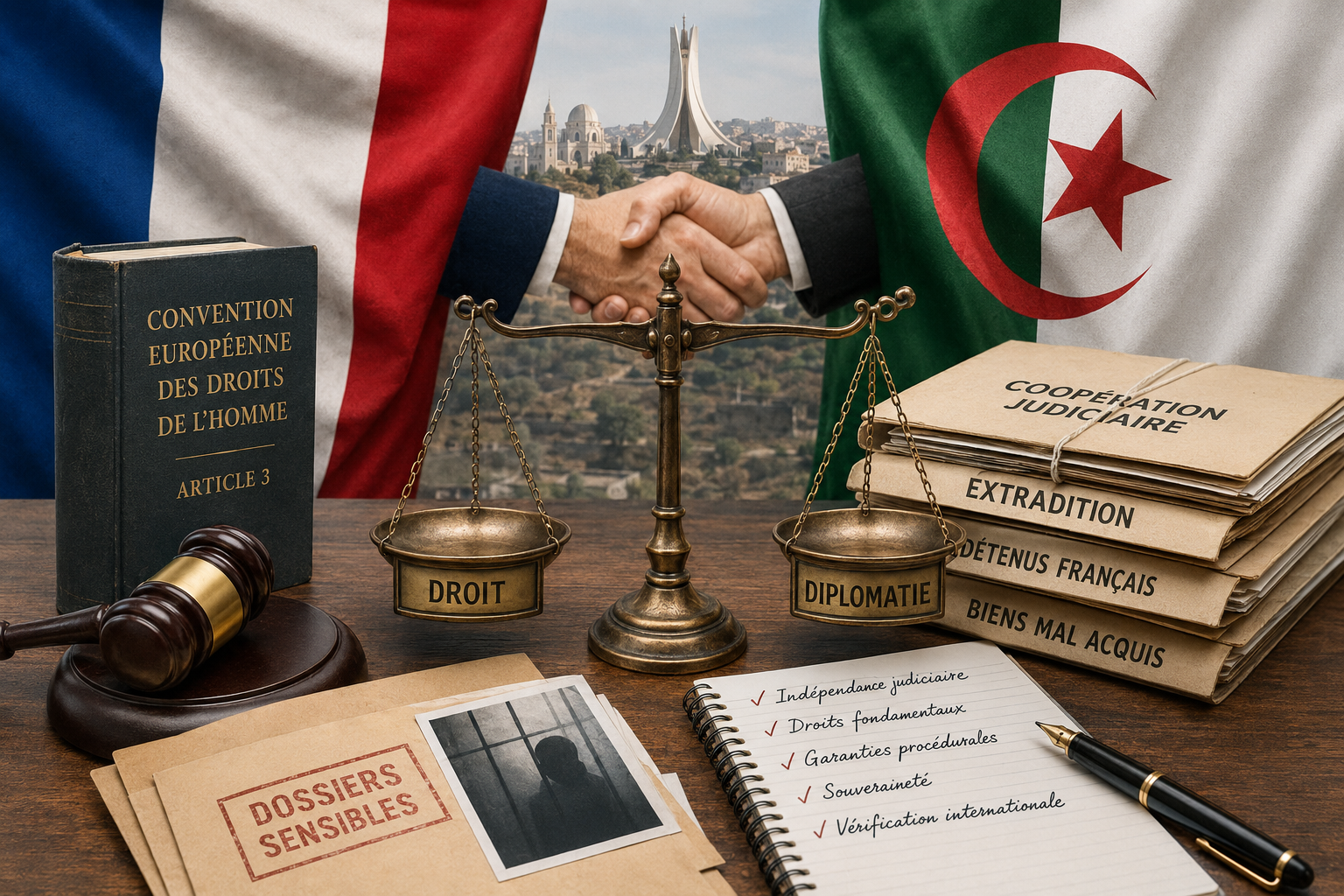
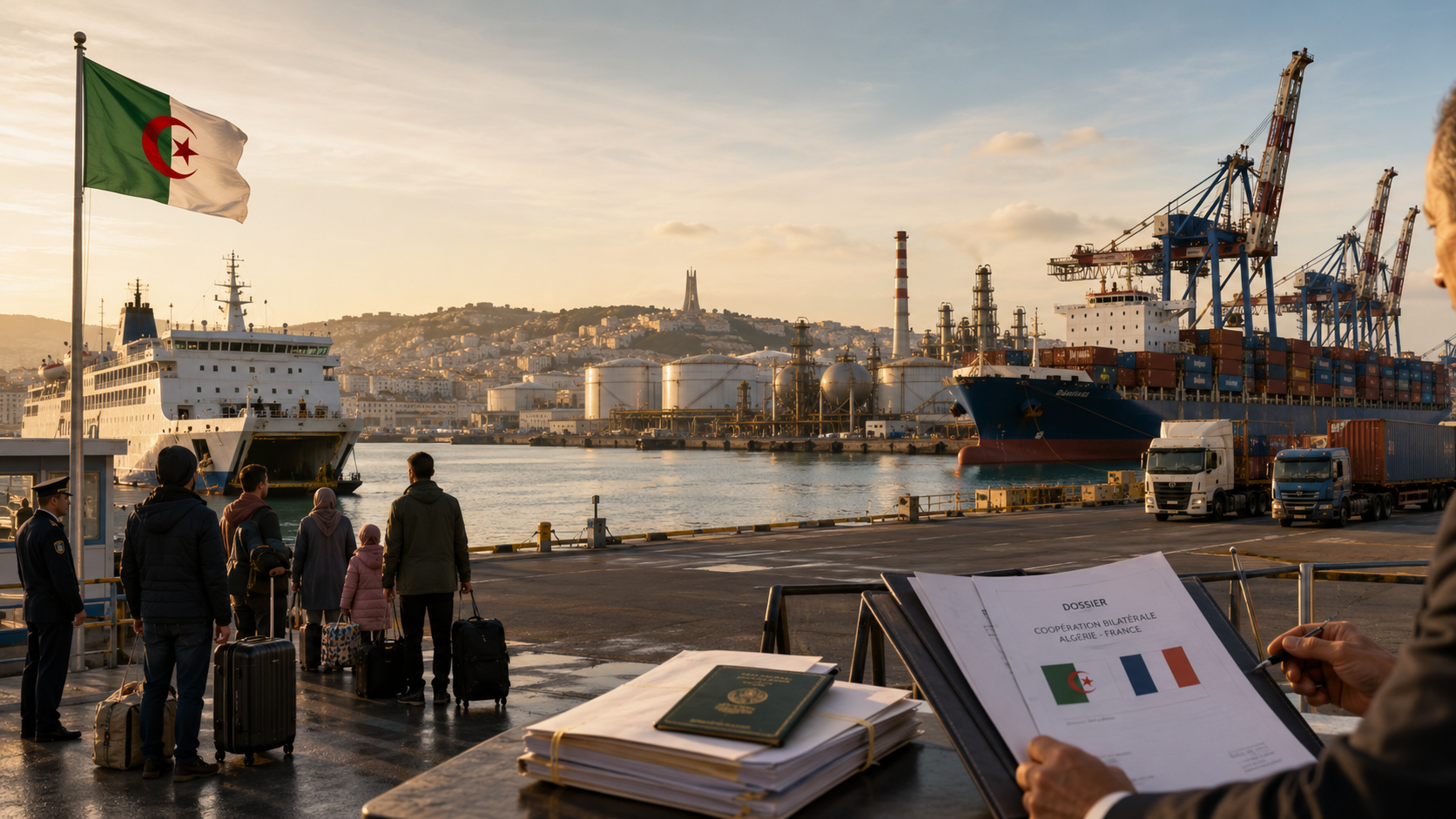
A judicial file becomes dangerous when it is made to carry more than procedure. Between Paris and Algiers, the language of cooperation, detainees, access and sensitive cases shows how quickly law can become a diplomatic instrument.
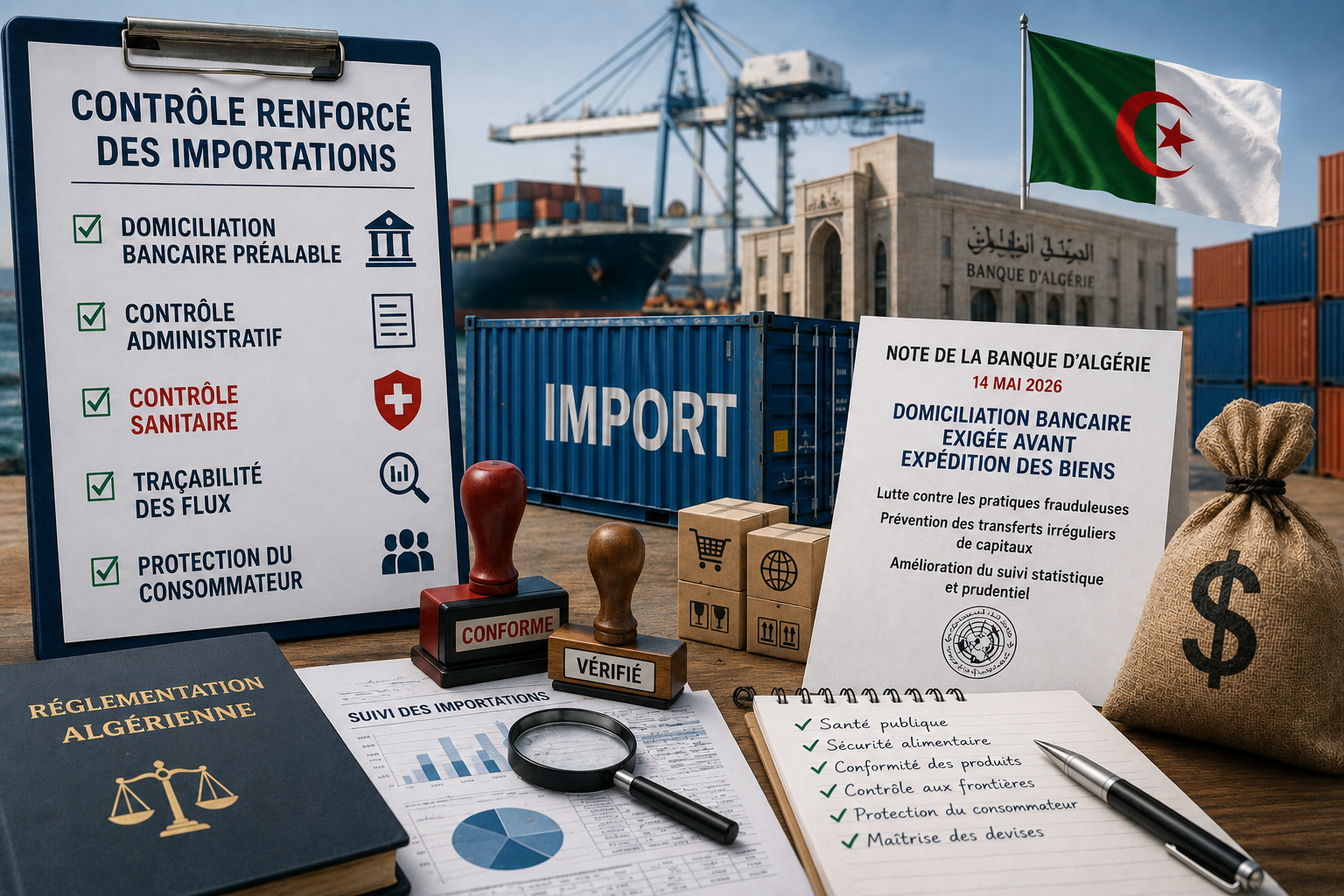
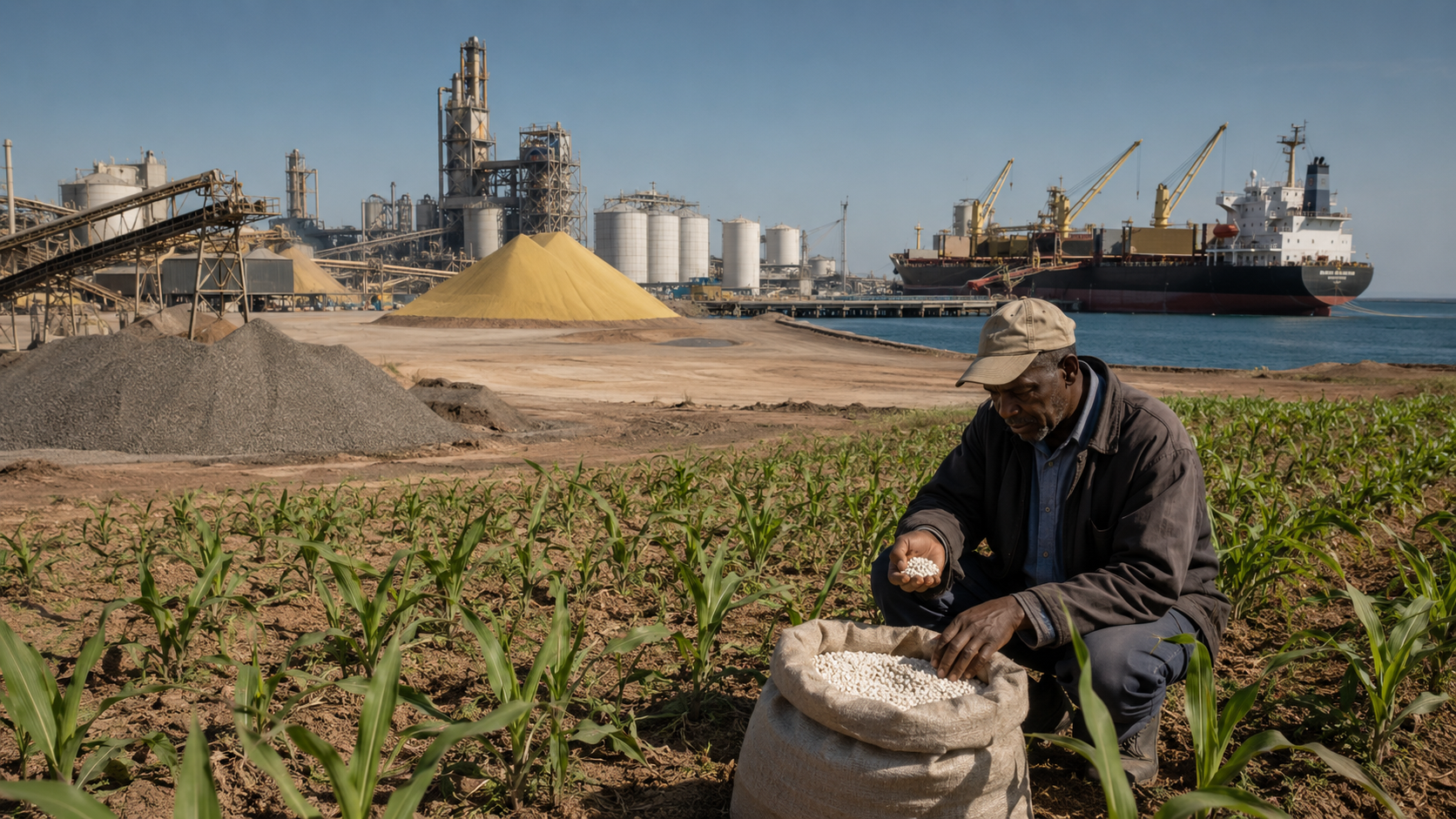
In Algeria, import policy is never only a customs matter. When health control enters the commercial circuit, it can protect consumers. It can also become a tool for filtering flows, delaying goods and redistributing access to the market.
20.2k
Likes
Youtube
100k
Subscribers
65k
Followers