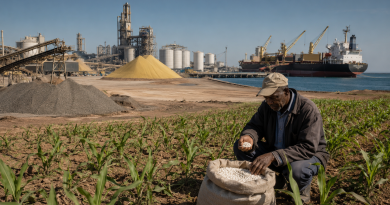

Bluefin tuna: quota, fleet and fisheries sovereignty
A tuna quota is not just a number assigned to a fleet. It says who fishes, who processes, who exports, who earns and how a maritime resource is inserted into the national economy.
What the fact reveals
Bluefin tuna is a high-value resource, regulated internationally and watched closely by markets. For Algeria, the issue is not only participation in a fishing season. It is the ability to transform access to the sea into local value, skills and industrial capacity.
The number of vessels, the share reserved for smaller trades, the place of locally built boats and the destination of catches all matter. A quota captured by a narrow chain of operators does not have the same meaning as a quota that supports a broader maritime economy.
The political point
This is where sovereignty becomes concrete. It is not declared in speeches. It is built through fleets, cold chains, ports, processing units, training, monitoring and transparent allocation. Without those elements, the resource can leave the country as value before it becomes national development.
The risk is familiar: celebrating a quota without asking how the value is distributed. The sea then becomes another rent, not a productive horizon. Fisheries policy must therefore be judged by the work it creates, the skills it builds and the public control it maintains.
Bluefin tuna is a small window onto a larger question. A country with a long coastline cannot speak of productive sovereignty while treating the sea as a seasonal opportunity. The resource is strategic only if the chain around it becomes national, transparent and socially useful.
Sources used
- Sources used: El Watan/APS archive source, ICCAT and ministry data to verify.
- To verify before publication: official documents, figures, dates and legal qualifications where applicable.