Tobacco: taxation, smuggling and the health bill
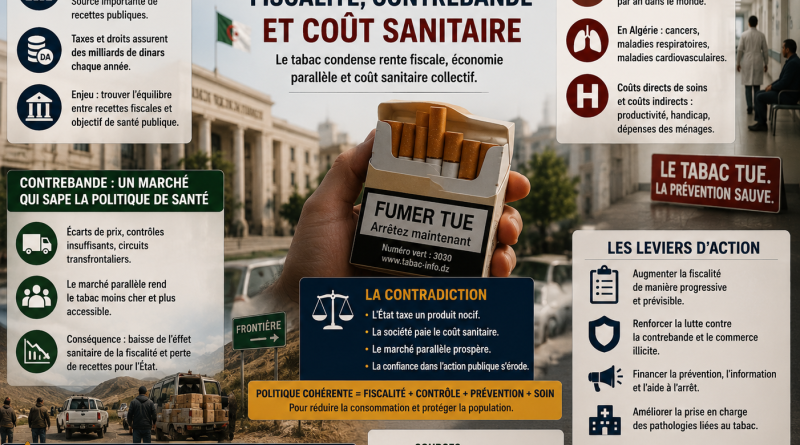
Tobacco is never only a matter of individual behavior. It is a fiscal object, a commercial market, a smuggling channel and a public health burden. Its contradiction is brutal: the state can collect revenue today while society pays the bill tomorrow.
What the fact reveals
The moralizing discourse against smokers misses the point. The real issue is the system that makes tobacco available, taxable, profitable and socially costly at the same time. Every pack carries more than nicotine. It carries a public contradiction.
Taxation is supposed to discourage consumption and finance public needs. But if it is poorly calibrated, it can shift demand toward illicit products without reducing addiction. If enforcement is weak, smugglers absorb the shock and the state loses both health control and fiscal control.
The political point
The health cost is slower and heavier. Cancer, respiratory diseases, cardiovascular conditions and family expenses do not appear immediately in the fiscal ledger. They arrive later, in hospitals, households and lost years of life.
That is why tobacco policy requires more than tax increases. It needs prevention, enforcement, transparent data, support for cessation and a serious fight against illicit trade. Without that, the state oscillates between revenue and damage control.
Tobacco exposes a central truth of social economics: not every revenue is a gain. Some revenues are collected at the entrance of a system whose exit costs much more.
Sources used
- Sources used: El Watan archive source, WHO/MPOWER to verify.
- To verify before publication: official documents, figures, dates and legal qualifications where applicable.