
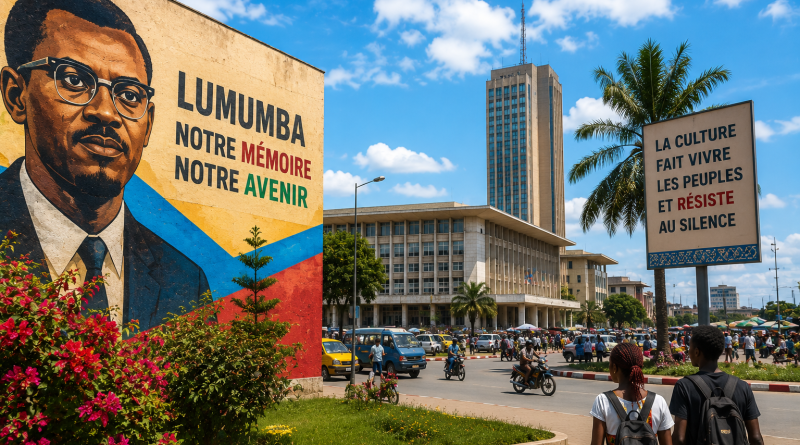
Lumumba: Belgian responsibility returns through the archive
Patrice Lumumba’s assassination has never belonged only to the past. It remains a place where Congo, Belgium and the imperial order continue to confront one another. Every archive that returns, every judicial step, every named responsibility weakens the convenient fiction of colonial innocence.
The archive against imperial innocence
Diplomacy likes ceremonies. Archives are less obedient. They bring back notes, chains of command, silences and decisions. In the Lumumba case, the issue is not simply whether Belgium has exPressd regret. The issue is what Belgian institutions knew, allowed, organised or failed to prevent.
That question cannot be solved by commemoration alone. It requires files, procedures and a public willingness to name political responsibility without hiding behind the fog of history.
Congolese memory against Belgian closure
For Congo, Lumumba is not only a historical leader. He is a symbol of a stolen sovereignty, of a state broken at birth by internal conflict and external intervention. The persistence of the case says something essential: the colonised are often asked to remember morally while the former imperial powers manage memory administratively.
The archive reverses that order. It forces the former metropole to answer in its own language: law, documents, institutional accountability.
Law is not enough, but it obliges
A trial, if it happens, would not repair the assassination. It would not return the years lost to Congo. But law can still force a record into public view. It can block the easy conversion of colonial violence into vague tragedy.
Lumumba’s memory remains political because it refuses to become merely commemorative. It asks who decided, who benefited, who concealed and who still fears the archive.
Sources used
- Le Monde Afrique, June 18, 2025.
- Belgian judicial and parliamentary documents to be verified before publication.