

Mali: Security Council, Attacks and Information War
Recent attacks in Mali are not only military operations. They reveal a crisis of sovereignty in which each camp seeks to control territory, fear and the narrative of war.
Read More
Recent attacks in Mali are not only military operations. They reveal a crisis of sovereignty in which each camp seeks to control territory, fear and the narrative of war.
Read More
By announcing withdrawal from the International Criminal Court and the idea of a Sahelian penal framework, the AES is not merely making a diplomatic gesture. It is trying to move the place where political, military and security violence in the Sahel is judged.
Read More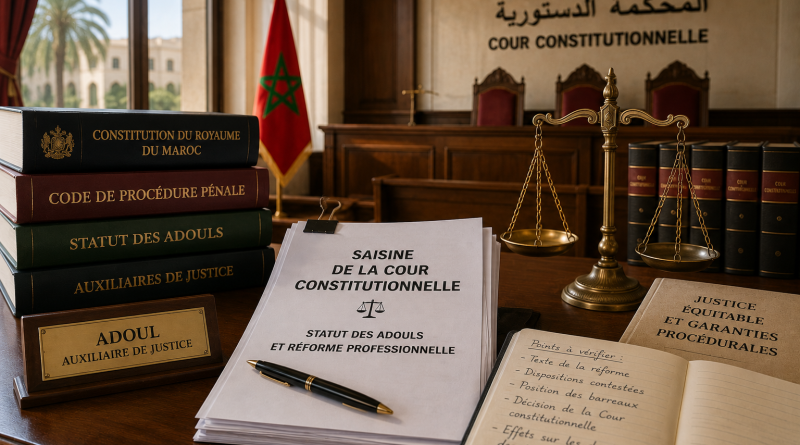
In Morocco, the debate around adouls is not merely a professional reform. It touches the way the state frames auxiliary legal professions, transforms acts of family and property life, and subjects professional balances to constitutional review.
Read More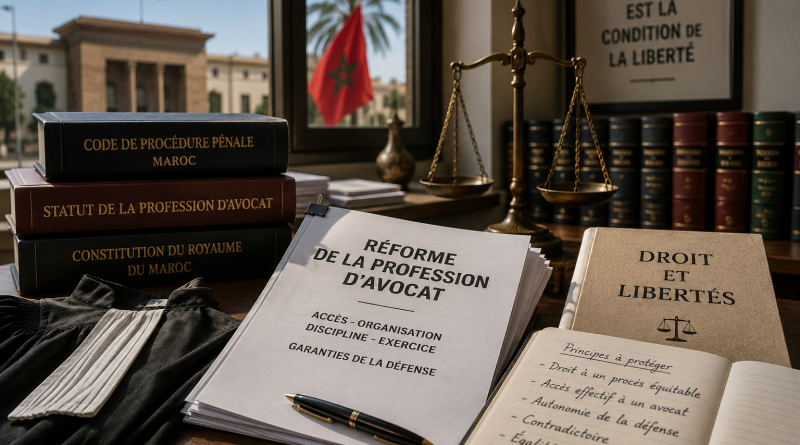
In Morocco, tensions around judicial reforms recall a simple truth: when the state reorganizes legal professions, it is not only changing internal rules; it touches the material conditions of defense.
Read More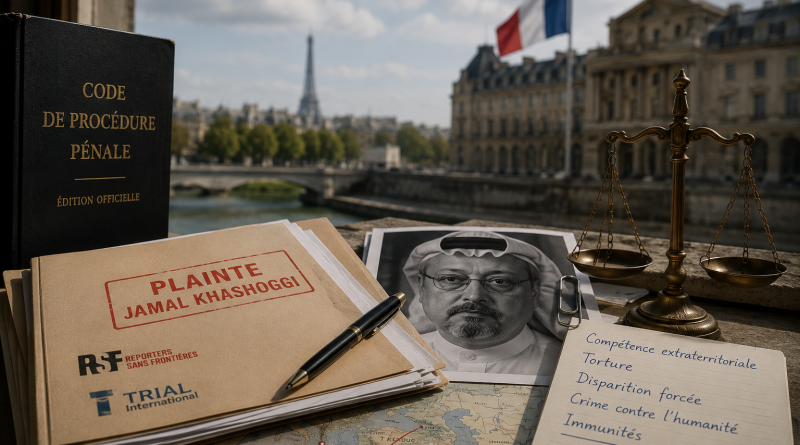
French justice has agreed to examine an NGO complaint targeting Mohammed bin Salman in the Jamal Khashoggi case. This is neither a verdict nor a diplomatic break. It is a test: that of a law that claims to pursue the gravest crimes without always being able to reach the powerful.
Read More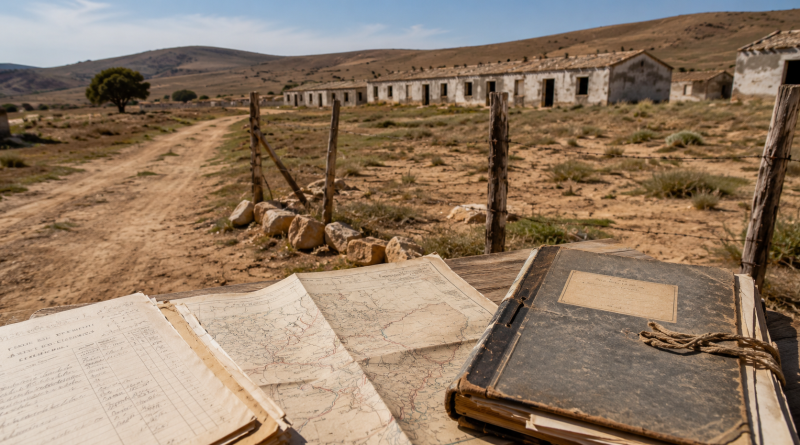
Regroupment camps remind us that colonial war was not fought only in maquis or prisons, but also through the forced organization of space, families and rural life.
Read More
With Abdelmadjid Meskoud, it is not only a chaabi voice that disappears. It is a popular way of keeping Algiers in memory, far from postcards, official speeches and urban forgetting.
Read More
A tuna quota is not just a number assigned to a fleet. It says who fishes, who processes, who exports, who earns and how a maritime resource is inserted into the national economy.
Read More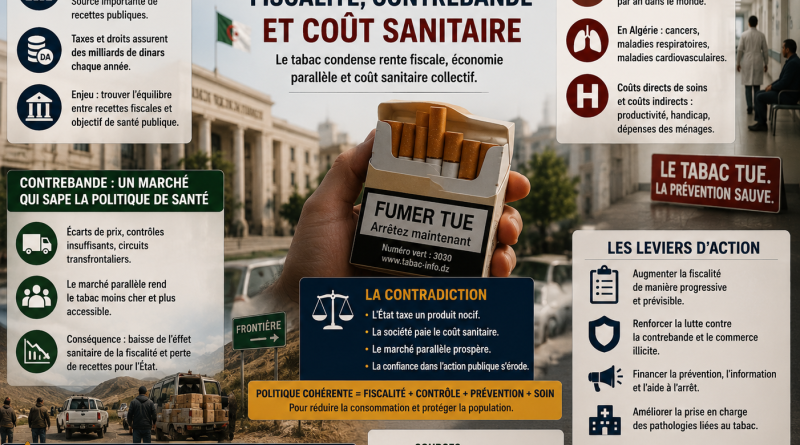
Tobacco is never only a matter of individual behavior. It is a fiscal object, a commercial market, a smuggling channel and a public health burden. Its contradiction is brutal: the state can collect revenue today while society pays the bill tomorrow.
Read More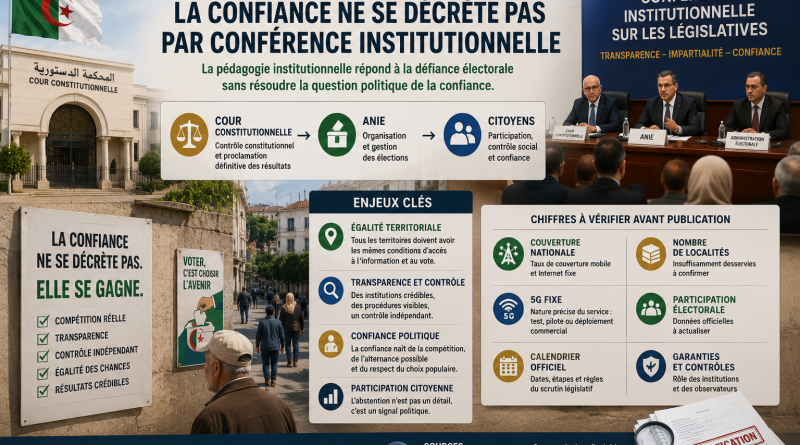
When institutions explain themselves, they recognize that trust is no longer automatic. But explanation does not replace political confidence. In the electoral field, procedure can clarify the rules without resolving the crisis of belief.
Read More