
Ebola in Ituri: the epidemic in the grey zone of war
When Ebola appears in Ituri, the question is never only virological. A virus spreads through bodies, but also through roads, fear, mistrust and institutional exhaustion. In a region wounded by war, health is not a separate field. It is one of the fronts where public protection is tested.
A disease in an already injured territory
The alert must first be read with factual caution. Case numbers, deaths, affected health zones and the strain involved must be confirmed by health authorities and the World Health Organization. But even before the final figures, one fact is clear: an outbreak in a conflict area never meets a neutral terrain.
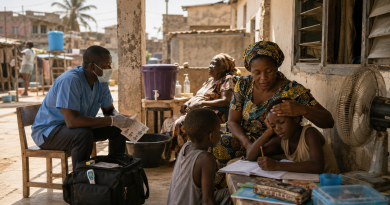
Ituri is a place where displacement, insecurity and fragile infrastructure make the ordinary work of medicine more difficult. Reaching a patient, tracing a contact, transporting a sample, protecting a nurse or convincing a family can become a political act.
Care is also a matter of trust
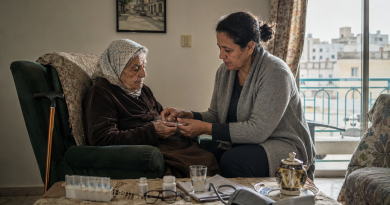
Ebola responses require more than equipment. They require trust. Communities must believe that health teams are there to protect them, not to control them. Families must accept isolation, testing and sometimes burial rules that collide with grief and local practices. In war zones, trust is already damaged by violence, rumours and the uneven presence of the state.
That is why an epidemic can reveal the condition of public authority. Where the state is only visible through coercion or absence, health messages travel badly. Where roads are cut, treatment arrives late. Where people have been displaced several times, surveillance loses its map.
The strain reveals inequality
The mention of the Bundibugyo strain, if confirmed, matters medically. But it also reminds us that global health protection is unequal. Some outbreaks mobilise immediate research, funding and attention. Others depend on exhausted local systems and delayed international concern.
The point is not to turn the virus into a metaphor. It is to say that the same virus does not produce the same social disaster everywhere. Poverty, war and weak infrastructure turn disease into a deeper crisis.
Borders do not provide care
Epidemics move across administrative lines more easily than health systems cooperate across them. The DRC-Uganda border area shows this tension. Surveillance has to be regional, but care is funded, staffed and trusted locally. The border can slow bureaucracy. It cannot stop fear.
In Ituri, Ebola asks a brutal question: what does public protection mean when war has already damaged the institutions meant to protect life? The answer will not be found only in laboratories. It will be found in roads, clinics, salaries, trust and peace.
Sources used
- Reuters, May 17, 2026.
- Associated Press, May 17, 2026.
- WHO, DRC and Uganda health ministry statements to be verified before publication.